Alluria Winery – Armenia’s Enotourism Jewel
In mid-May, I found myself in Armenia as a judge at the Concours Mondial de Bruxelles. Despite its name, the competition is no longer held in Brussels; it travels to a different destination each year. Beyond the judging sessions, we had an extensive programme of winery visits, and one of them earned a special place in my heart: Alluria Winery.
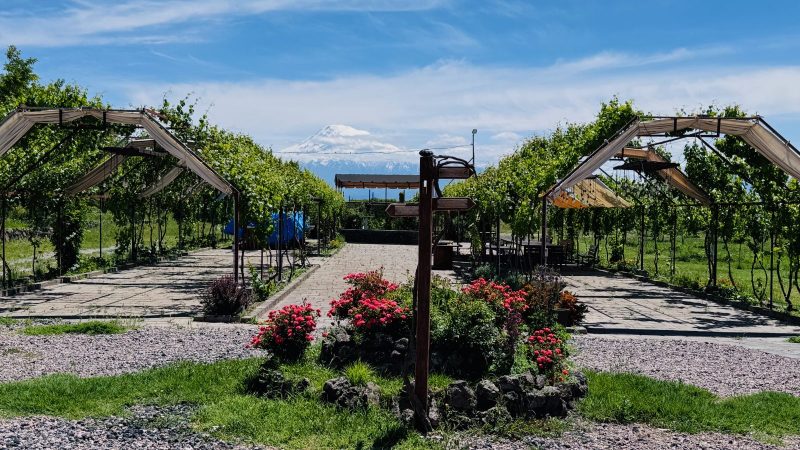
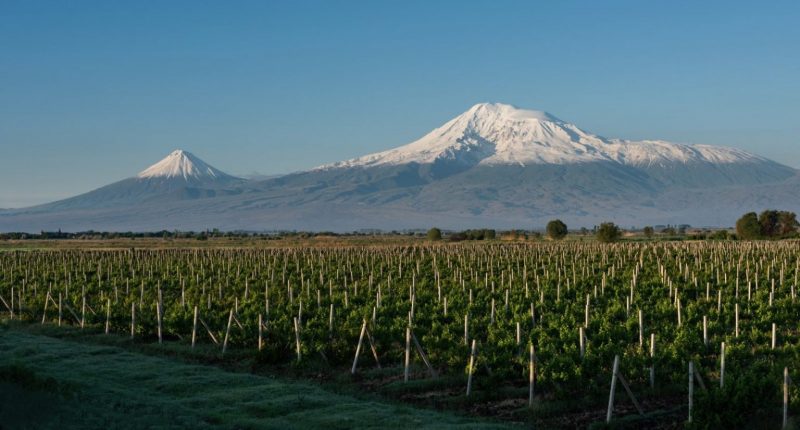
Any story about Armenia begins with Ararat — that iconic mountain which, although located within modern-day Turkey, remains deeply embedded in the DNA of every Armenian.
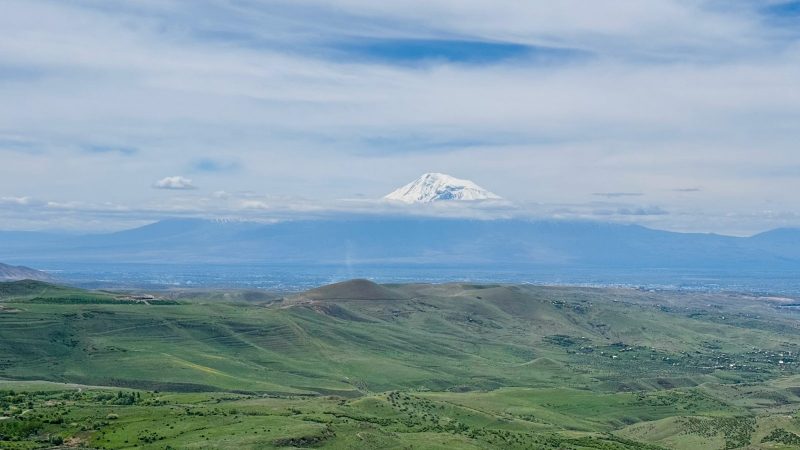
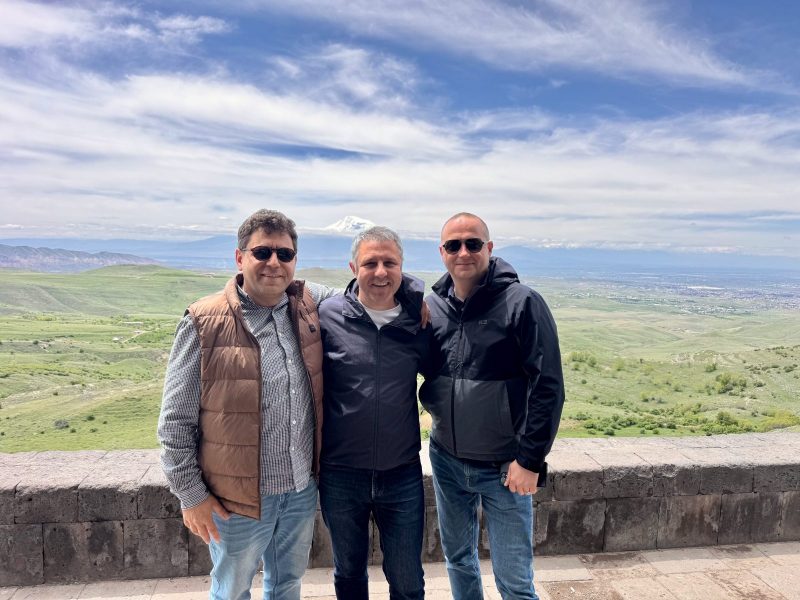
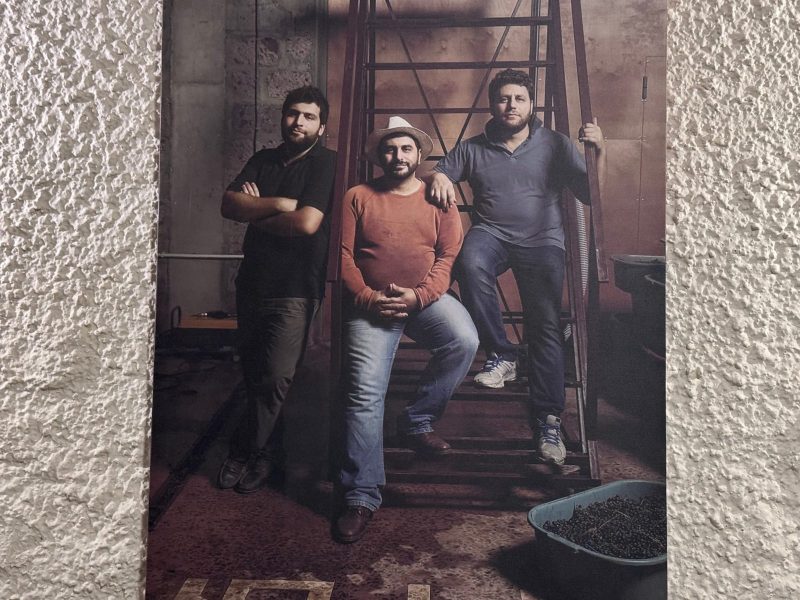
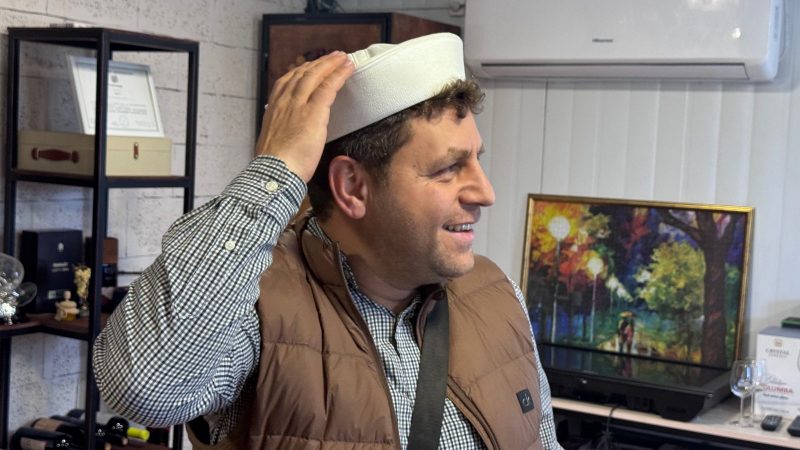
We are heading to Alluria, located in the heart of the Ararat Valley, together with Aram Machanyan, the winery’s owner, and his Moldovan counterpart, Ion Luca, founder of Casa Vinicolă Luca. The two first met several years ago during the “Bitva Vinodelov” television project on TV8. Later, we served together on the jury of the Berliner Wine Trophy, and since then a strong friendship has grown between us.
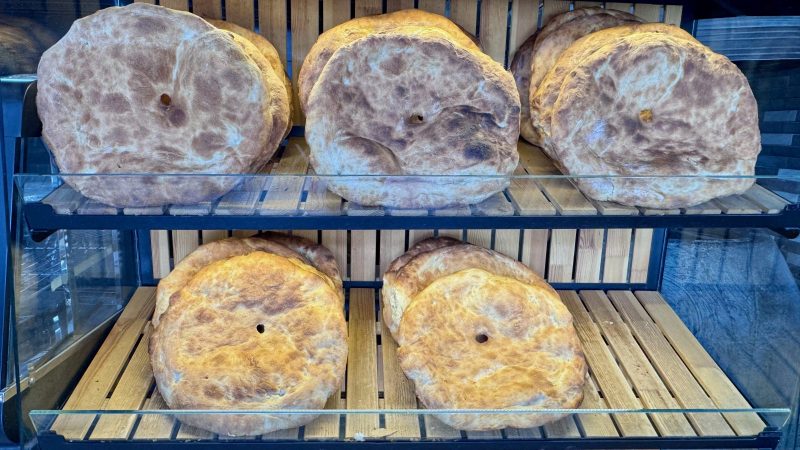
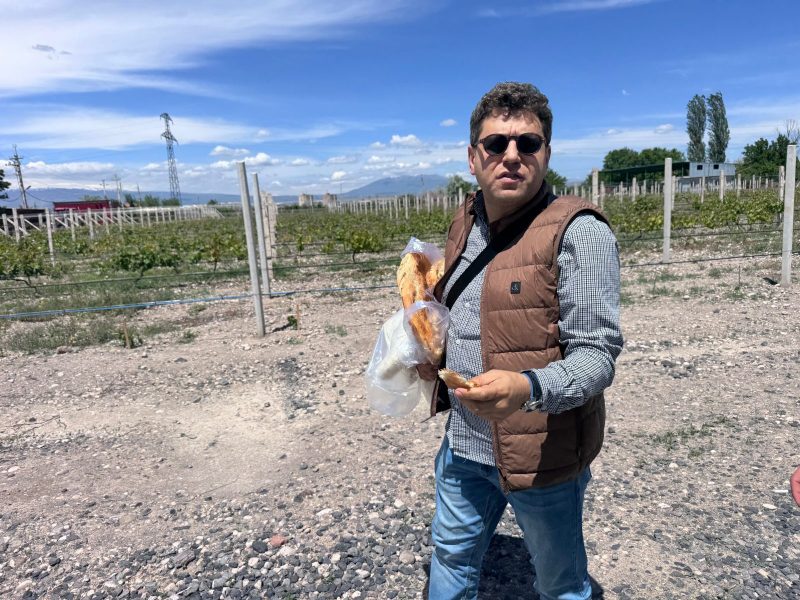
On the way, we stop for freshly baked lavash. In Armenia, it comes in a thousand and one variations, each somehow more delicious than the last.
Forty minutes from Yerevan and we arrive. The jewel begins to reveal itself, like a diamond catching light from different angles.
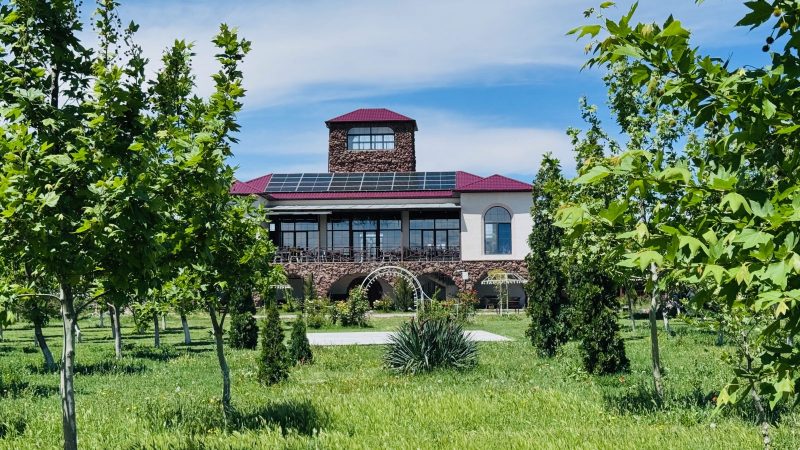
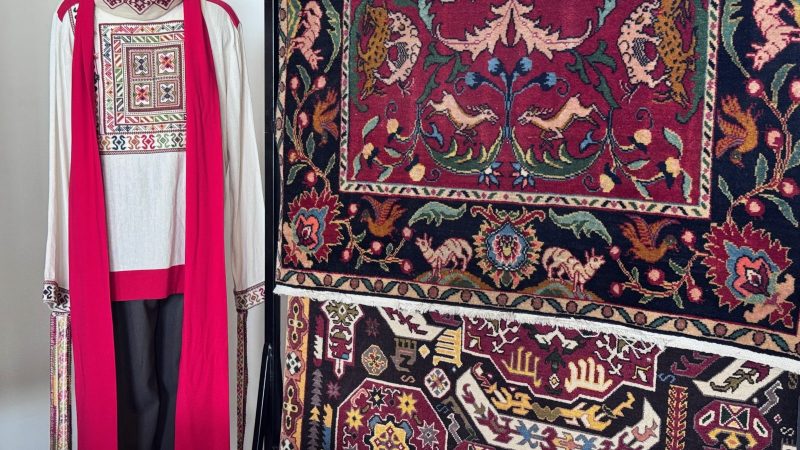
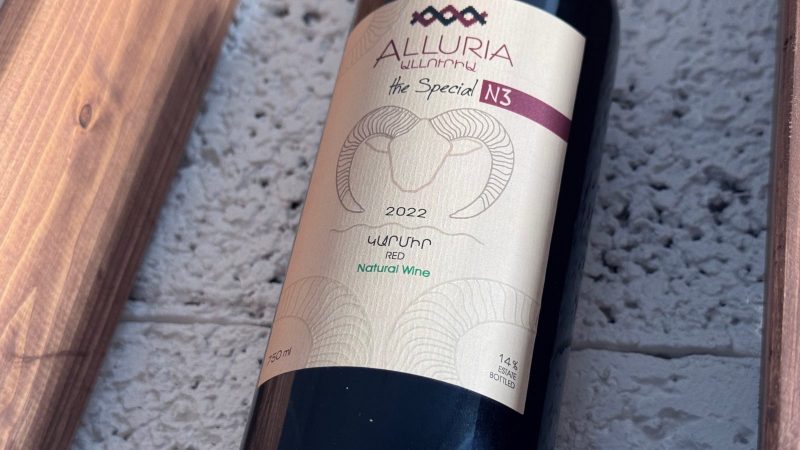
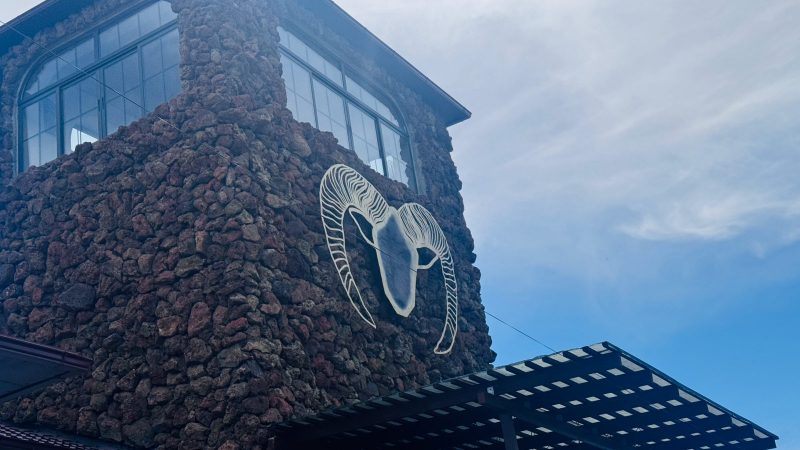
Many wineries around the world are built on legends. Here, however, the story goes beyond marketing and into something deeply emotional.
Aram once travelled to the ancestral village of his family — today located in territory controlled by Turkey — and brought back several cuttings from ancient vines. Only one survived. From that single vine grew five hectares of vineyards in the Armavir region, planted with indigenous Armenian varieties such as Voskehat, Haghtanak, Karmrahyut and Khndoghni.
The name “Alluria” itself comes from that village — Alyur (Allur).
“We literally paid tribute to our roots,” our guide tells us, almost with tears in his eyes.
At the winery, friendly debates quickly emerge between the two winemakers. Alluria’s philosophy revolves around natural winemaking: spontaneous fermentations, minimal intervention in the cellar and little to no sulphur additions. Aram Jan and Ion Jan appear to have different views on certain aspects of the craft, which makes the conversation all the more fascinating.
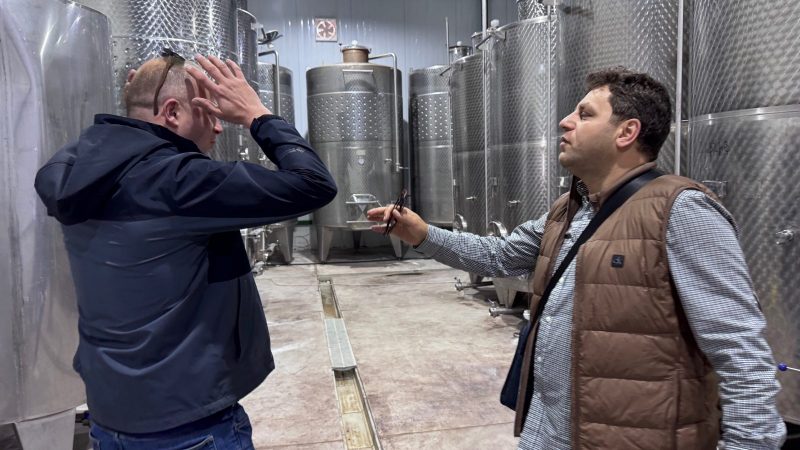
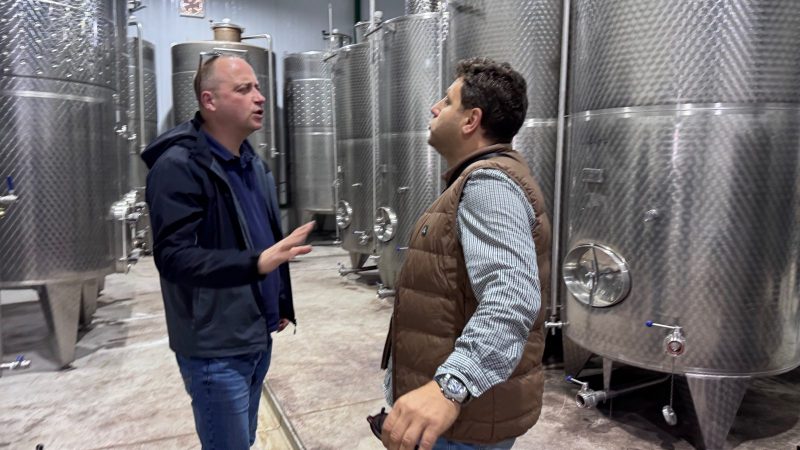
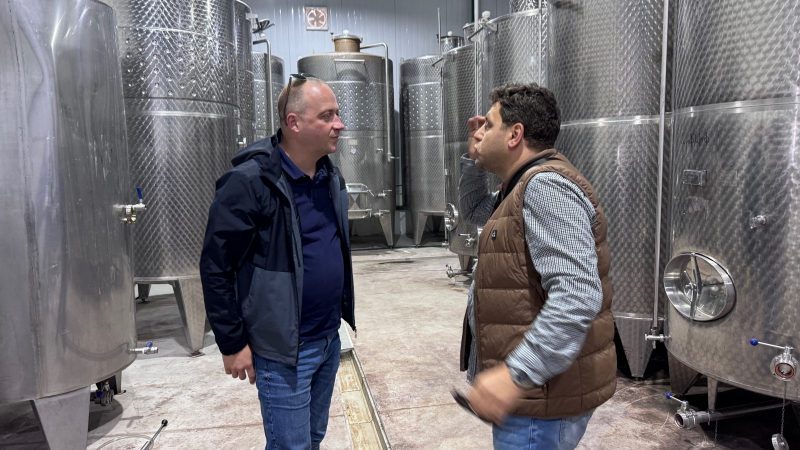
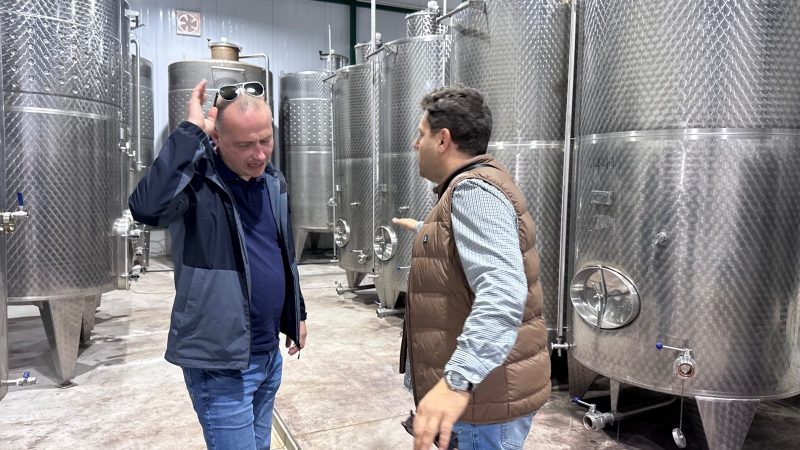
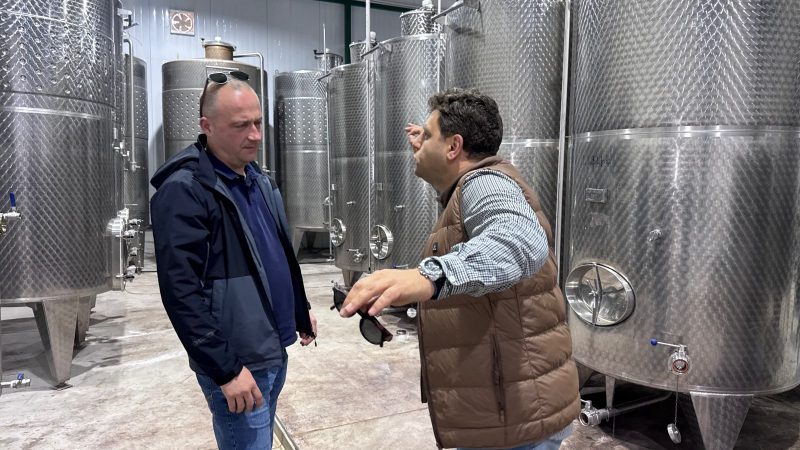
From the production area we move to the cellar.
Remember the lavash? Now is the perfect time to taste it.
There is something wonderfully disarming about the simplicity of the place. Nothing feels staged. Nothing feels forced. Everything seems to flow naturally.
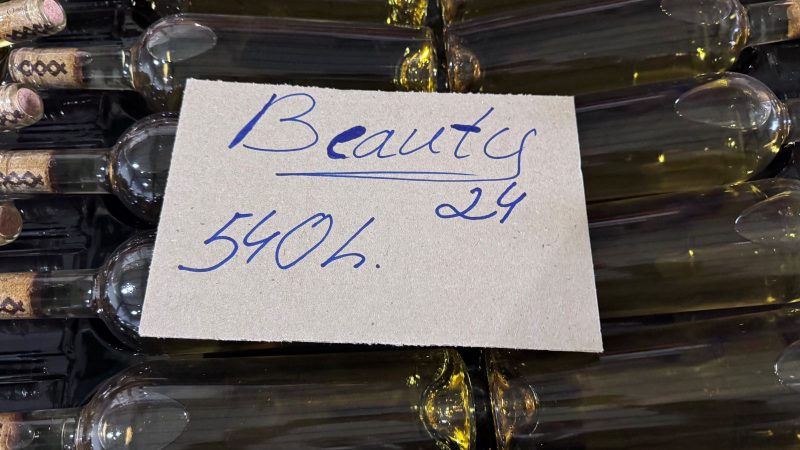
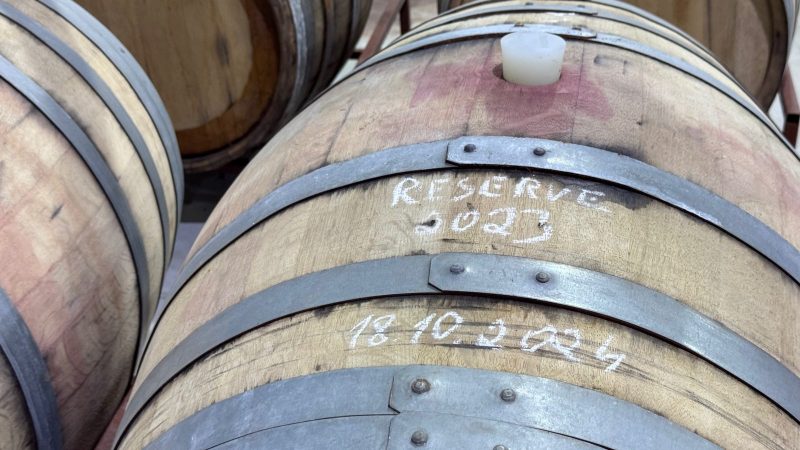
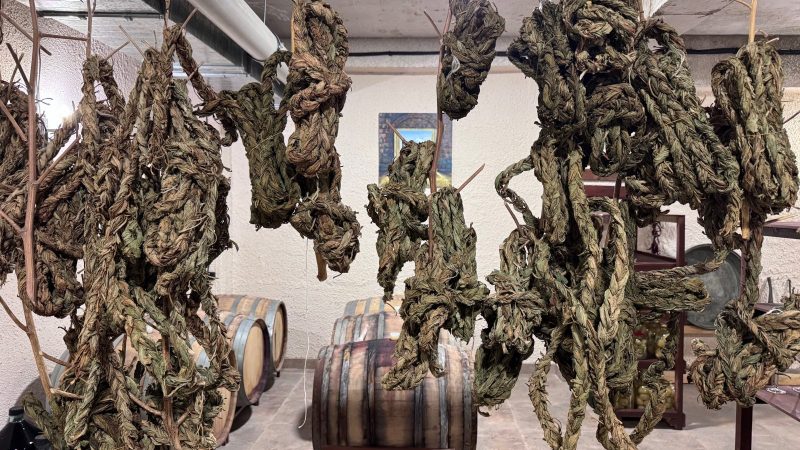
In the cellar, things are surprisingly familiar. Barriques stand side by side with large glass jars, tradition and practicality living comfortably together.
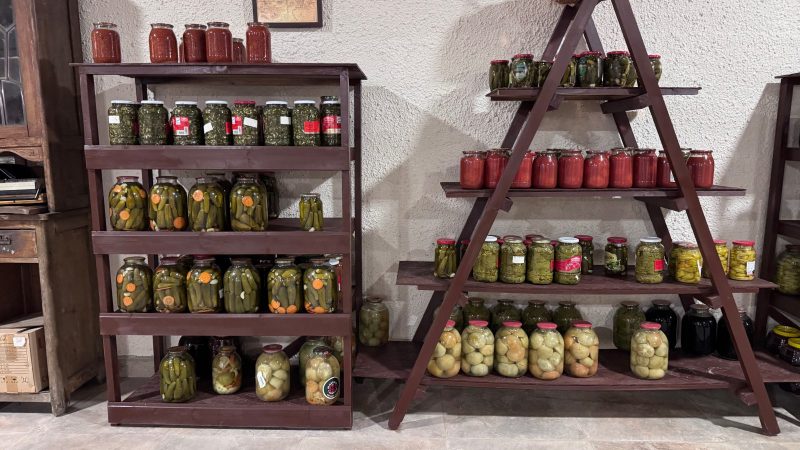
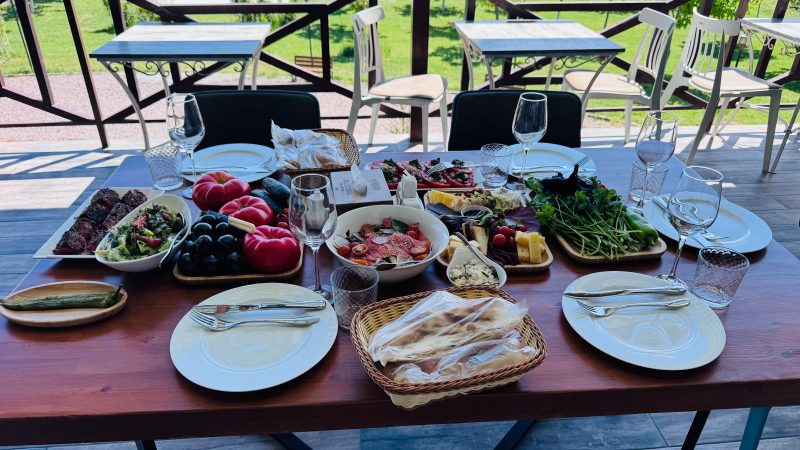
Then comes, inevitably, the gastronomic interlude.
And what we are served are merely the appetizers.
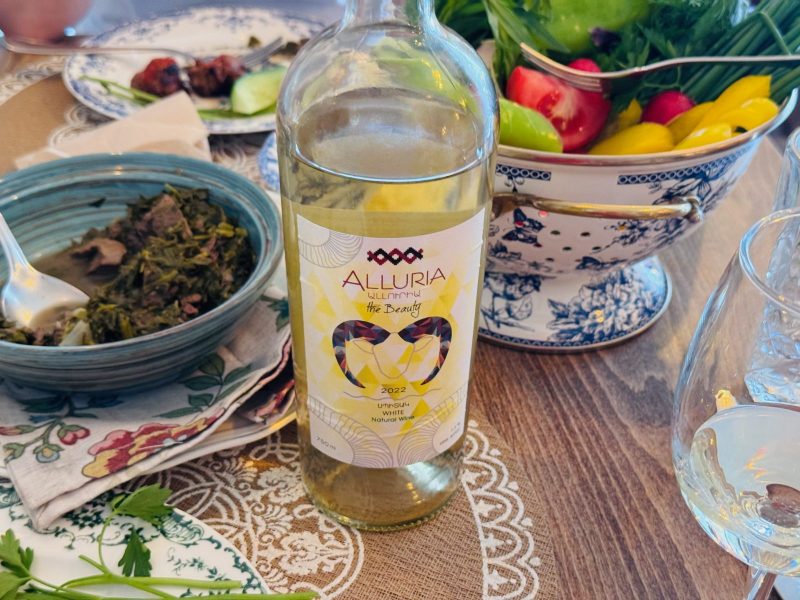
Simple dishes, yet astonishingly delicious. Have you ever thought of wrapping a tomato in Himalayan salt and grilling it? My goodness, what a revelation.
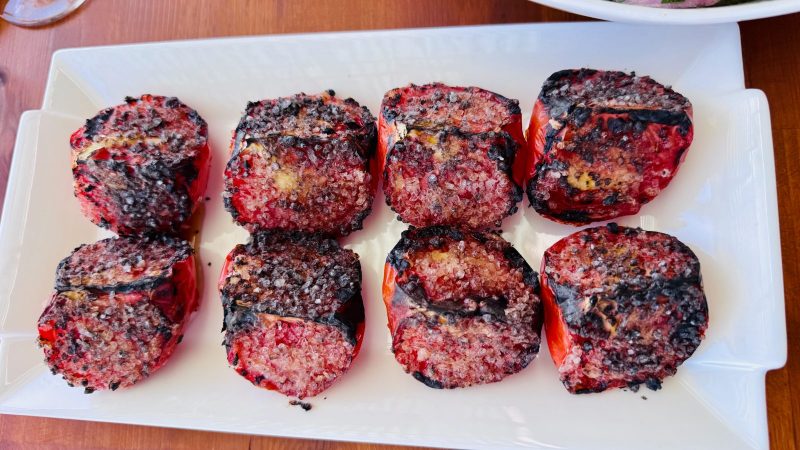
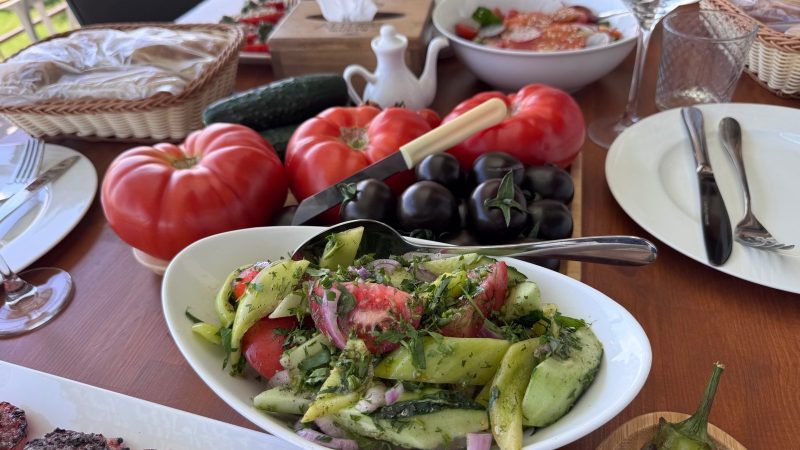
Later I discover the secret behind those extraordinary tomatoes. The family also owns a hydroponic tomato farm. It comes with its own challenges — strong winds, water management at altitude — but I honestly cannot remember tasting better tomatoes anywhere else. With all due respect to the ones back home.
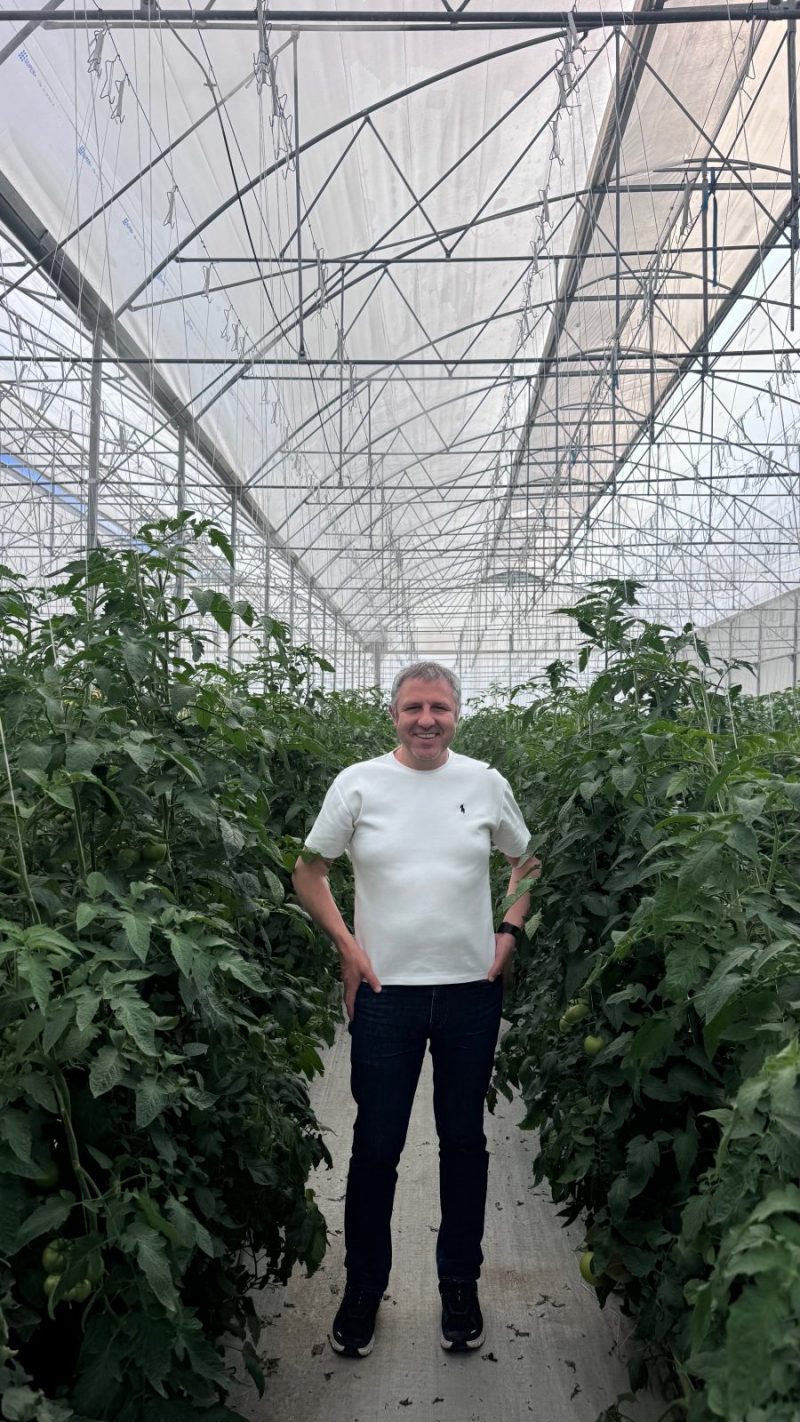
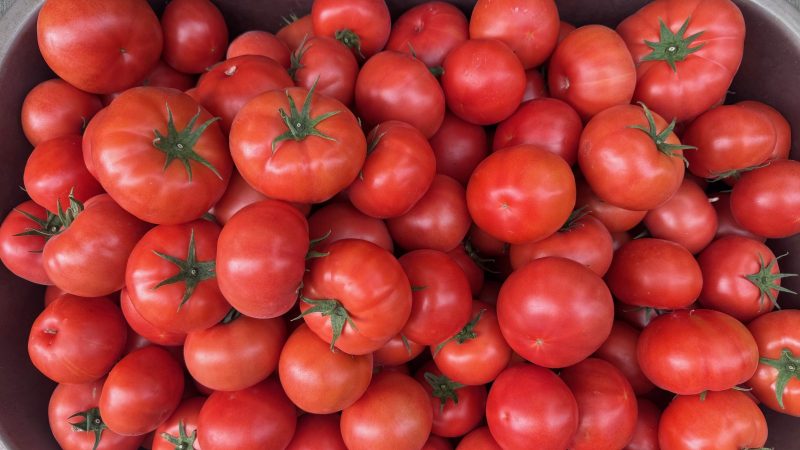
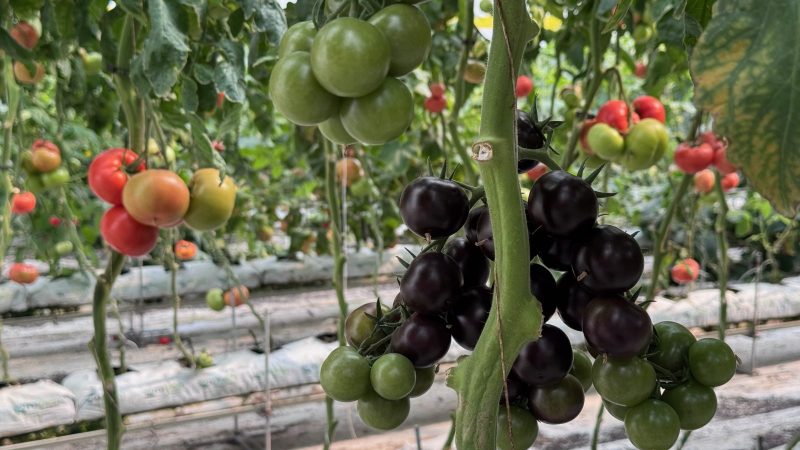
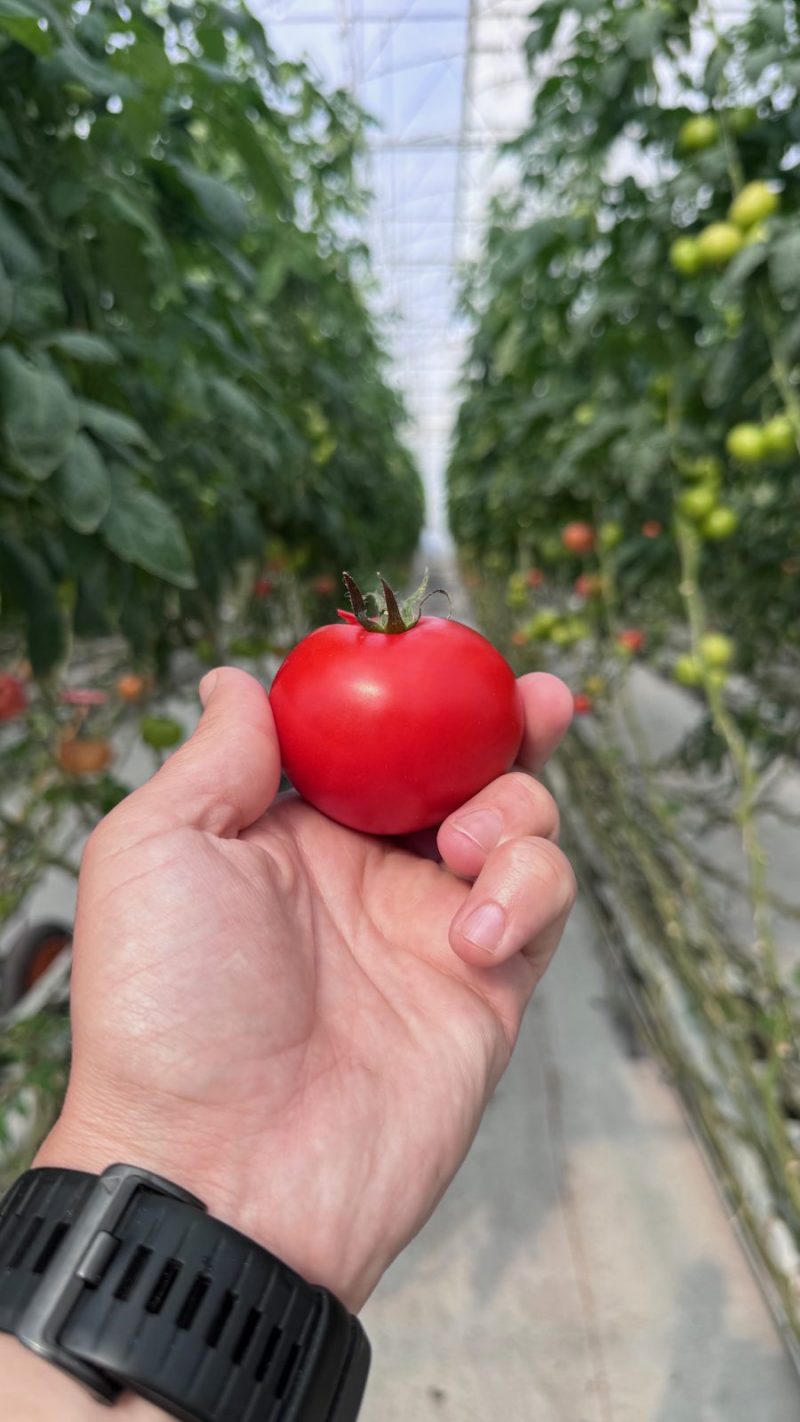
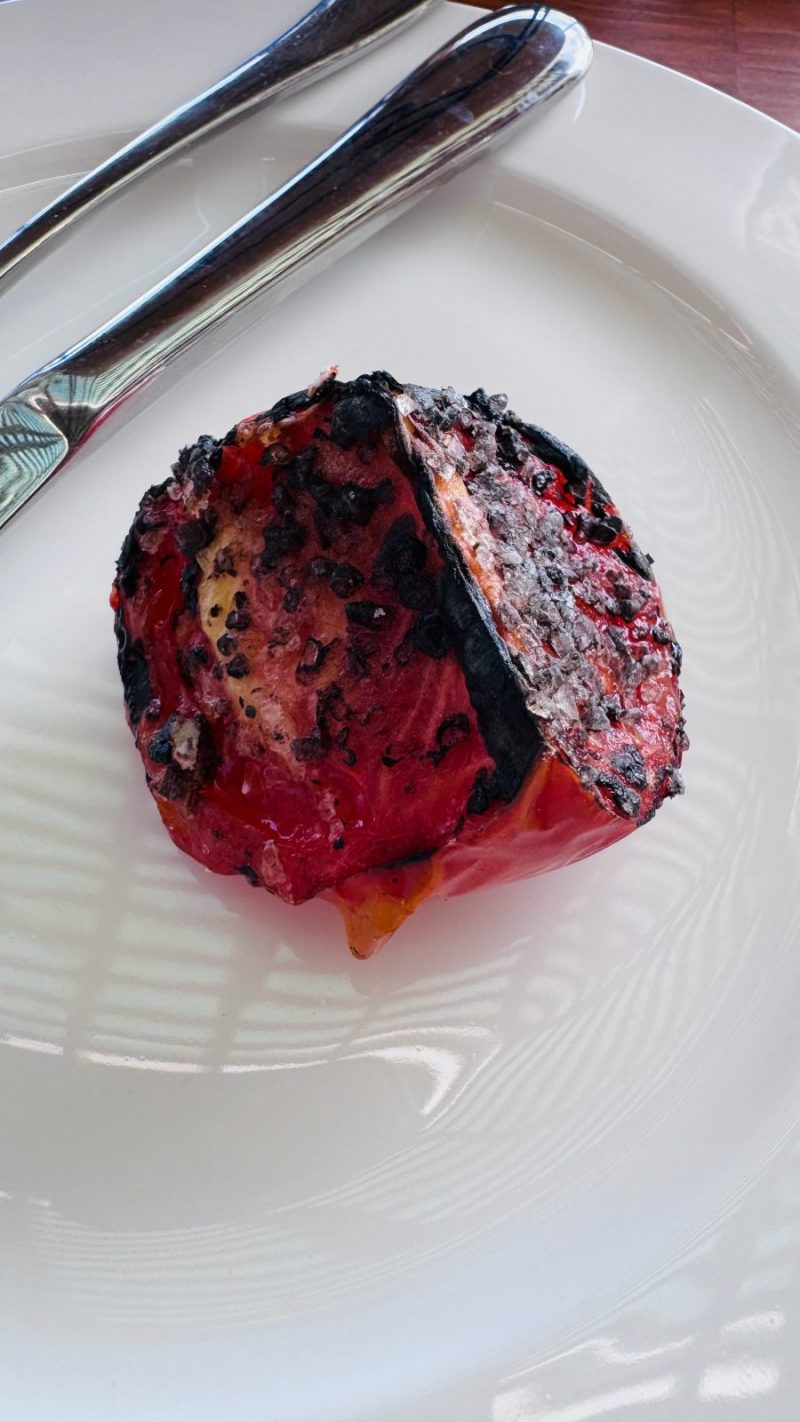
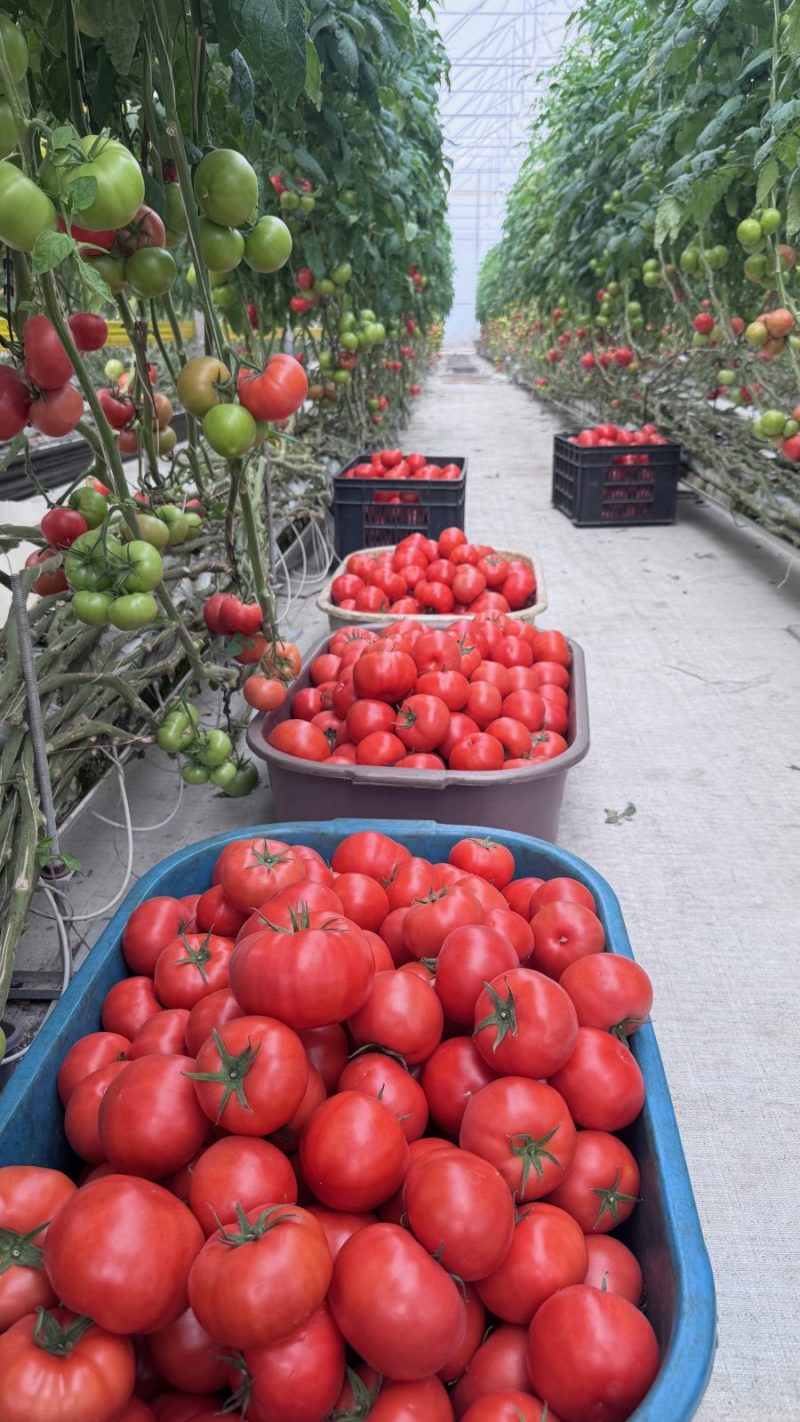
Words fail me.
Gigabytes fail me.
No matter how hard I try, I cannot fully convey the intensity of the experience.
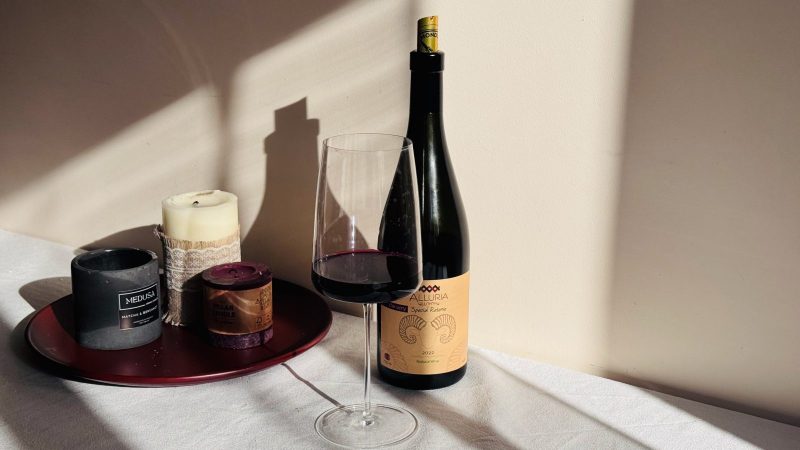
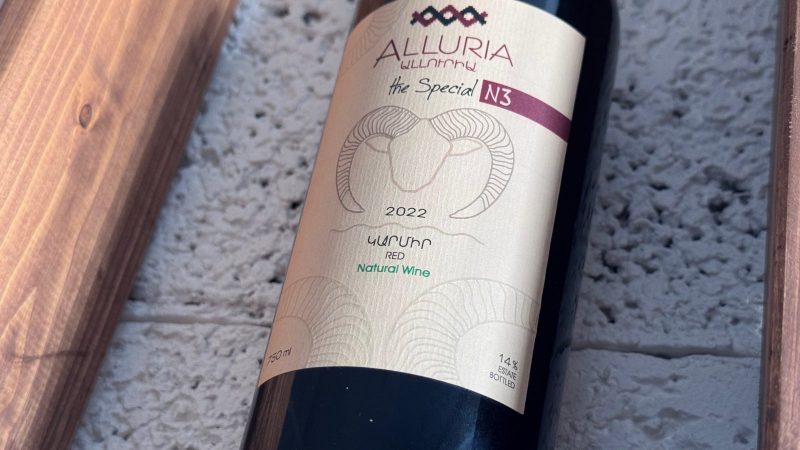
Later that evening, back in the city, we find Alluria wines on a restaurant wine list. Naturally, we order The Beauty and The Very Special Reserve.
Very. Special. Reserve.
Only after visiting the winery do you understand that these words are not the result of an overenthusiastic marketing department. They reflect the genuine pride with which Armenians make wine — and have been making wine for thousands of years.
I have a habit whenever I return from a wine trip.
I revisit the wines at home, in silence and away from the emotions of the place. I want to analyse them in my everyday environment, free from the excitement of travel and hospitality.
Alluria The Very Special Reserve became the first wine in my life to which I awarded 100 points without hesitation.
I already miss Armenia.